


Blog

Dr Christopher Ng
Consultant Obstetrician & Gynaecologist
MBBS (Imperial College, UK), MMed (O&G) (Singapore), FRANZCOG (Aust-NZ), FAMS (O&G) (Singapore)
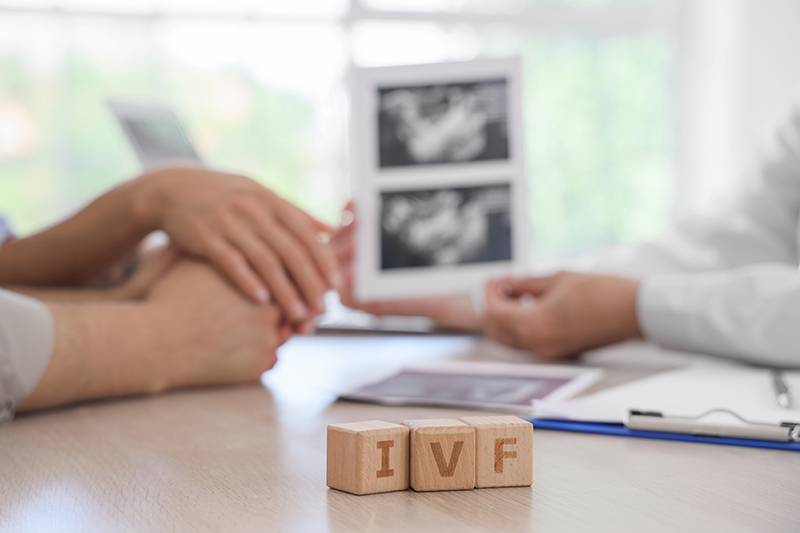
For couples struggling to conceive, in-vitro fertilisation (IVF) may improve the chances of achieving pregnancy. By bypassing certain barriers to conception, such as low sperm count, poor sperm motility, endometriosis and ovulatory disorders, IVF can help overcome some causes of infertility. In considering IVF as an option, couples should take note of whether they match the profile of those suitable for IVF, to better assess whether it is the right solution for them.
In-vitro fertilisation (IVF) is an assisted reproductive technology (ART) used to help individuals and couples achieve pregnancy when natural conception is difficult. During IVF, mature eggs are collected from the ovaries and fertilised with sperm outside the womb (in-vitro), placed in a laboratory dish such that fertilisation occurs naturally. The fertilised eggs develop into embryos over the following days under carefully monitored conditions to mimic the natural environment for early growth. One or more embryos may then be transferred into the uterus, where an embryo may implant and develop into a pregnancy. IVF enables fertility specialists to closely oversee each stage of fertilisation and embryo development, rendering it one of the most established and widely used assisted reproductive technologies available today.
Additional procedures may sometimes be recommended alongside IVF, depending on the underlying fertility issues. Your doctor will advise accordingly if the following might benefit you.
Intra-cytoplasmic sperm injection (ICSI) involves the injection of a single sperm into the centre of the egg with a fine glass needle. The sperm is carefully selected by the embryologist, helping to overcome factors that may reduce fertilisation rates with conventional IVF such as low sperm count, poor motility, abnormal shape, or even a thick egg coating.
Blastocyst culture involves the growing of the embryo until day 5 or 6, instead of transferring them earlier as per typical IVF procedure. Embryos that develop into blastocysts are generally considered better candidates for transfer into the uterus as they have successfully passed a number of developmental milestones.
IVF may be suitable for individuals or couples who face difficulties conceiving naturally due to female or male fertility factors, structural reproductive issues, age-related fertility decline, or the need for donor eggs, sperm, or embryos. Suitability depends on a variety of factors, such as any pre-existing medical conditions, your age, egg and sperm quality, among other factors. You may be suitable for IVF if you experience:
Women who have trouble ovulating are likely to find it difficult to get pregnant. This may be due to hormonal imbalances, a common symptom amongst those with polycystic ovarian syndrome (PCOS). Ovulatory problems may also be associated with hormonal disorders that affect the release of eggs from the ovaries.
IVF, particularly when combined with ICSI, may be recommended for men with a low sperm count, poor sperm motility or abnormal sperm morphology.
When the fallopian tubes are blocked or damaged, the egg and sperm may be unable to meet naturally. This can occur due to previous pelvic infections, tubal ligation or salpingectomy (surgical removal of a fallopian tube).
Endometriosis occurs when tissue similar to the inner lining of the womb grows outside the womb, such as on the ovaries or within the pelvis. This can alter the pelvic and uterine environment, potentially affecting fertilisation and embryo implantation.
Women with POI lose normal hormonal and reproductive functions in their ovaries before the age of 40. IVF may be considered for women with POI who still have a sufficient ovarian reserve, although treatment suitability varies between individuals.
When no clear cause of infertility is identified and pregnancy has not occurred despite other fertility treatments, IVF may be considered to improve the chances of conception.
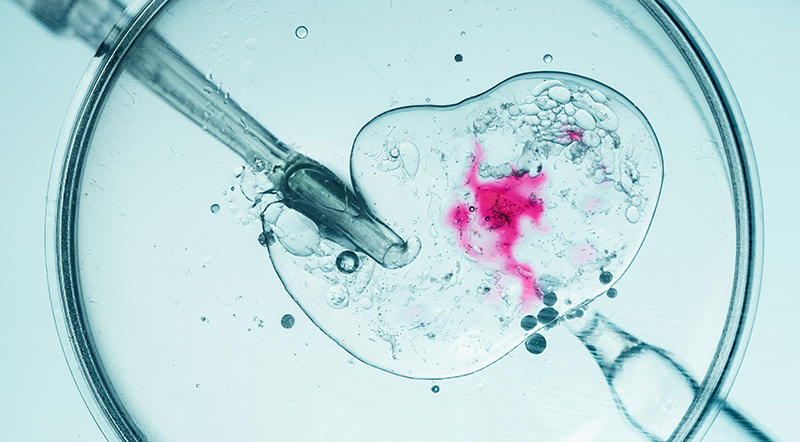
Some individuals achieve pregnancy after a single IVF cycle, while others may require multiple treatment cycles. The process of a cycle is as follows:
The IVF process relies on the retrieval of multiple eggs from the woman's ovaries to increase the chances of success. To achieve this, a fertility specialist will instruct the woman to administer daily hormone injections for 10 to 12 days before the retrieval, stimulating the ovaries to produce multiple eggs.
Prior to the retrieval, the fertility clinic will conduct regular blood tests and ultrasounds to monitor hormonal levels and follicle development. This will determine when is the best time for the eggs to be retrieved. Following this, a human chorionic gonadotropin (hCG) trigger injection is administered to trigger the final stage of egg maturation. Egg retrieval takes place approximately 34 to 36 hours after the injection.
Egg retrieval is typically performed under sedation to minimise any discomfort during the procedure. A thin needle, attached to an ultrasound vaginal probe, will be inserted through the vaginal wall into the ovaries to collect the eggs.
On the same day, the male partner produces a fresh sperm sample through masturbation. This is usually done in a private room at the fertility clinic to ensure privacy and comfort.
The retrieved eggs and sperm are combined in a laboratory dish to allow fertilisation to occur. The eggs are then assessed the following day to determine whether fertilisation has been successful. Intracytoplasmic sperm injection (ICSI) may be recommended, whereby a single sperm is injected directly into an egg using a specialised microscopic needle to improve the likelihood of successful fertilisation.
If fertilisation is successful, the fertilised eggs will continue to develop into embryos over the next three to six days. During this period, the embryologist will carefully monitor their growth and select the most suitable embryos for transfer. The selected embryos are then transferred into the uterus using a fine catheter in a procedure that is typically quick and painless. Any additional good-quality embryos may be frozen and stored for future use.
Following embryo transfer, hormonal support is usually prescribed to help maintain the uterine lining and support embryo implantation. A pregnancy test is typically performed around 14 to 17 days after the embryo transfer to determine whether pregnancy has been achieved.
Deciding whether or not IVF is suitable for you can be a deeply personal step for many families. While IVF may be suitable for couples facing challenges such as blocked fallopian tubes, ovulation problems, male factor infertility, endometriosis, or age-related fertility decline, every fertility journey is different. The most important thing is to understand your options clearly, ask the questions that matter to you, and seek guidance from a fertility specialist who can assess your individual situation with care. With the right support, you can make an informed decision about whether IVF is the next step towards growing your family.
At GynaeMD Women's & Rejuvenation Clinc , we provide personalised and specific care for every patient that walks through our doors, supporting women’s health with compassion and warmth. Under the skilful hands of Dr Christopher Ng, who has over 30 years of experience in the field, women and couples can be assured that he will have their and their family’s best interests at heart. Schedule a consultation with us today to plan you and your family’s next move.
Yes. IVF is often one of the most effective treatment options for women with blocked or damaged fallopian tubes because fertilisation occurs outside the body, bypassing the need for the tubes altogether.
There is no universal age limit for IVF. However, fertility and IVF success rates generally decline with age, particularly after age 35. Your fertility specialist will assess factors such as ovarian reserve, overall health and reproductive history when determining suitability for treatment.
Your fertility specialist may recommend a combination of fertility assessments, including hormone blood tests, ultrasound scans, ovarian reserve testing, semen analysis, and an evaluation of your medical and reproductive history. These results help determine whether IVF is the most appropriate treatment option for you.
Dr Christopher Ng
Consultant Obstetrician & Gynaecologist
Qualifications & Credentials
Dr Christopher Ng is a consultant obstetrician and gynaecologist with over three decades of experience in women's reproductive health. Having received medical education and training in Singapore, the UK and the US, his clinical experience includes fertility assessment and treatment, as well as laparoscopic surgery for gynaecological conditions that may affect fertility.
At GynaeMD Women's & Rejuvenation Clinic, Dr Ng provides personalised fertility care, including IVF and SO-IUI treatments. He takes a considered approach to helping individuals and couples understand their reproductive health, explore suitable treatment options and make informed decisions about their fertility journey.


